
Discover Eglise-Saint-Pantaleon: A Hidden Gem in Troyes
May 27, 2025

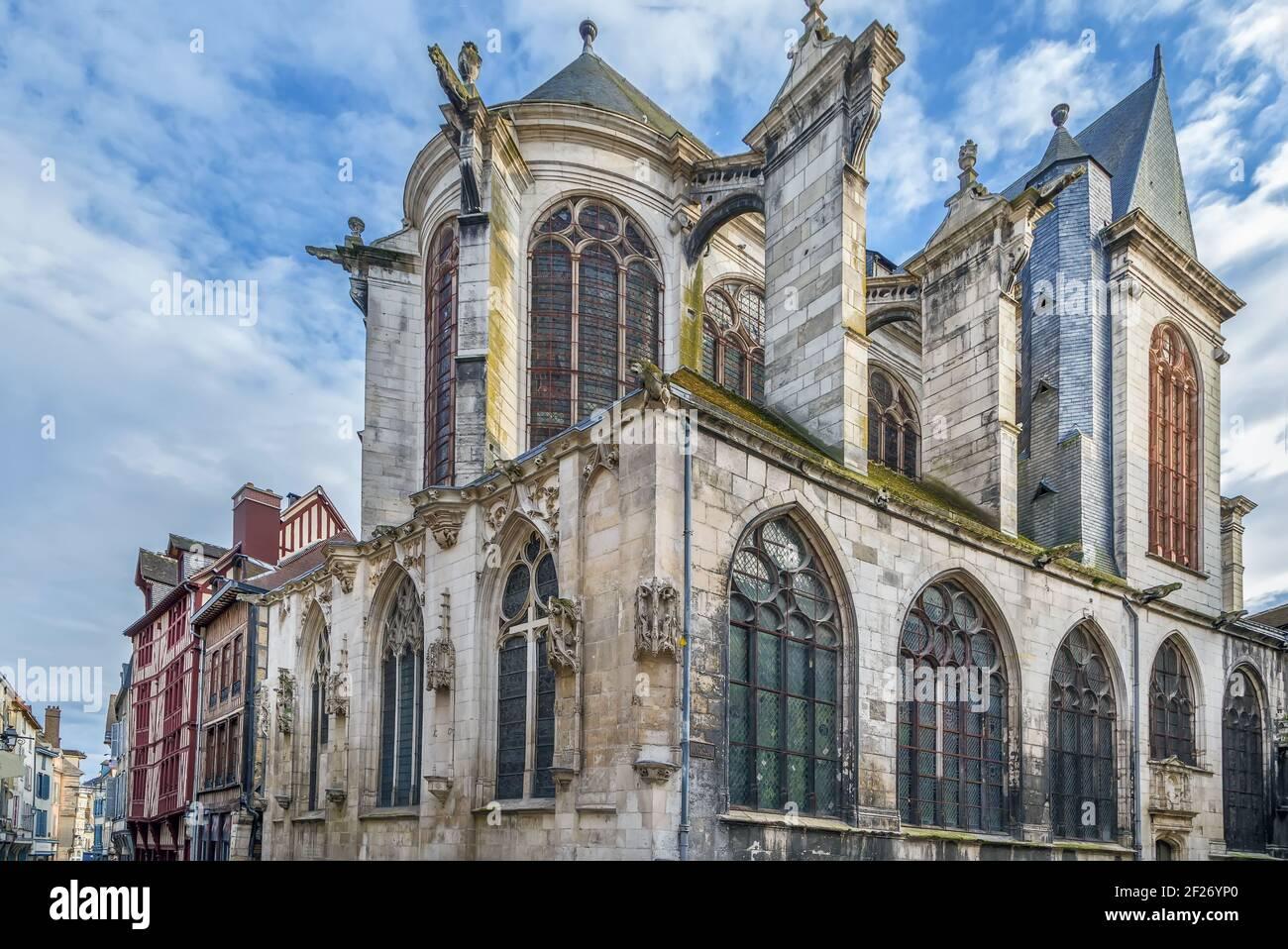
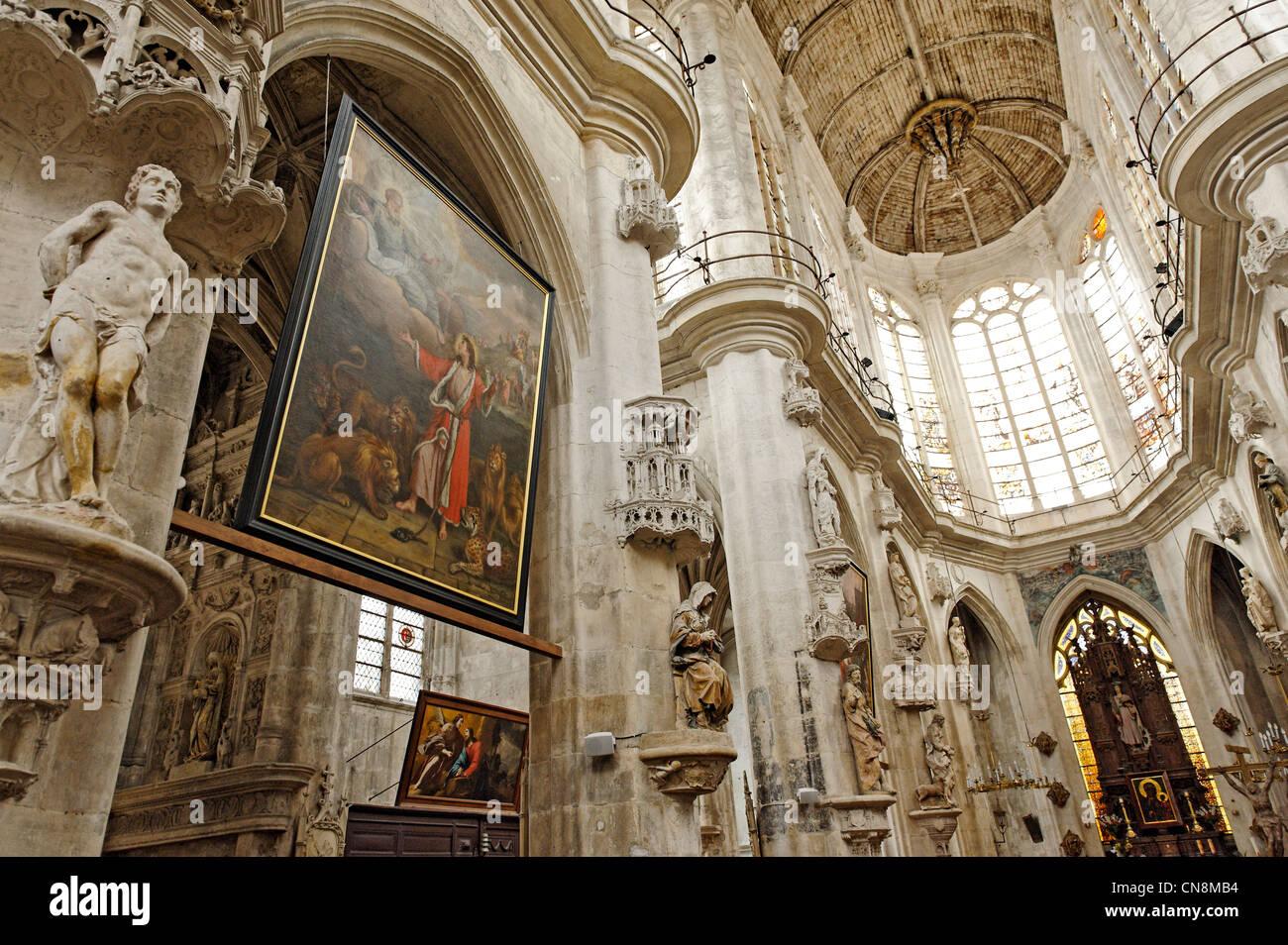
I explored Eglise-Saint-Pantaleon for about 90 minutes, fascinated by the incredible 16th-century stained glass windows and intricate stone carvings. The church sits conveniently near Troyes' historic city center, making it easy to visit alongside other local attractions like the Musée d'Art Moderne and the medieval half-timbered houses.
Tucked in the heart of Troyes, Eglise-Saint-Pantaleon holds centuries of secrets within its Gothic walls and remarkable medieval stained glass. Uncover the hidden stories of a church that survived revolutions, wars, and changing landscapes of French religious architecture.
Need-to-Know Info Before Visiting Eglise-Saint-Pantaleon
5+
images
Eglise-Saint-Pantaleon Address
Rue de la Cité, 10000 Troyes, France
Eglise-Saint-Pantaleon Opening Hours
- 🕒 Monday-Saturday: 9 AM - 5 PM
- 🕒 Sunday: 10 AM - 12 PM
- 🕒 Closed on Public Holidays
How to get to Eglise-Saint-Pantaleon
- 🚗 By car: Park at nearby public parking on Rue de la Cité
- 🚌 Public transport: Troyes City Bus Line 1 & 3, Stop: Centre Ville
- 🚕 Rideshare: Uber and local taxi services available
What is Eglise-Saint-Pantaleon known for?
- 12th-century Roman Catholic church with exceptional Gothic architectural elements
- Contains rare medieval stained glass windows from the 16th century
- Houses important historical artifacts from the Champagne region
- Remarkable stone carvings depicting biblical scenes on exterior facades
What is Eglise-Saint-Pantaleon in Troyes?
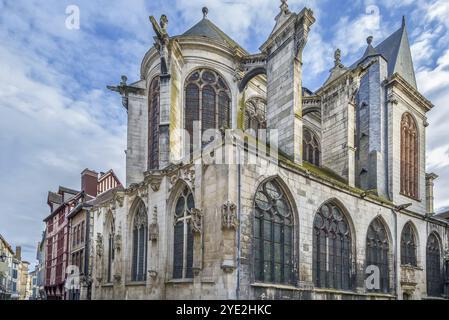
Nestled in the heart of Troyes, Eglise-Saint-Pantaleon stands as a quiet testament to medieval French religious architecture. This Catholic church draws history buffs and architecture enthusiasts who want to step back in time. Located in the Aube department, the church attracts around 5,000 visitors annually, primarily during summer months when guided tours showcase its rich historical details. Travelers will find the church tucked within Troyes' old town, surrounded by narrow cobblestone streets that wind through the historic city center. The stone exterior features intricate Gothic architectural elements that catch the eye of architectural photographers and history lovers. Unlike crowded tourist spots, Saint-Pantaleon offers a more intimate glimpse into regional French ecclesiastical history. Visitors can explore detailed stone carvings, original 16th-century stained glass windows, and architectural features that have survived centuries of regional changes. The church represents a less-traveled destination for travelers wanting to experience authentic medieval French religious architecture without massive crowds.
Top things to do at Eglise-Saint-Pantaleon
- Examine the remarkable 16th-century stained glass windows, featuring intricate biblical scenes and medieval craftsmanship
- Explore the Gothic architectural details, including stone carvings on exterior facades depicting religious narratives
- Join a guided historical tour highlighting the church's architectural evolution from 12th-century Romanesque to Gothic periods
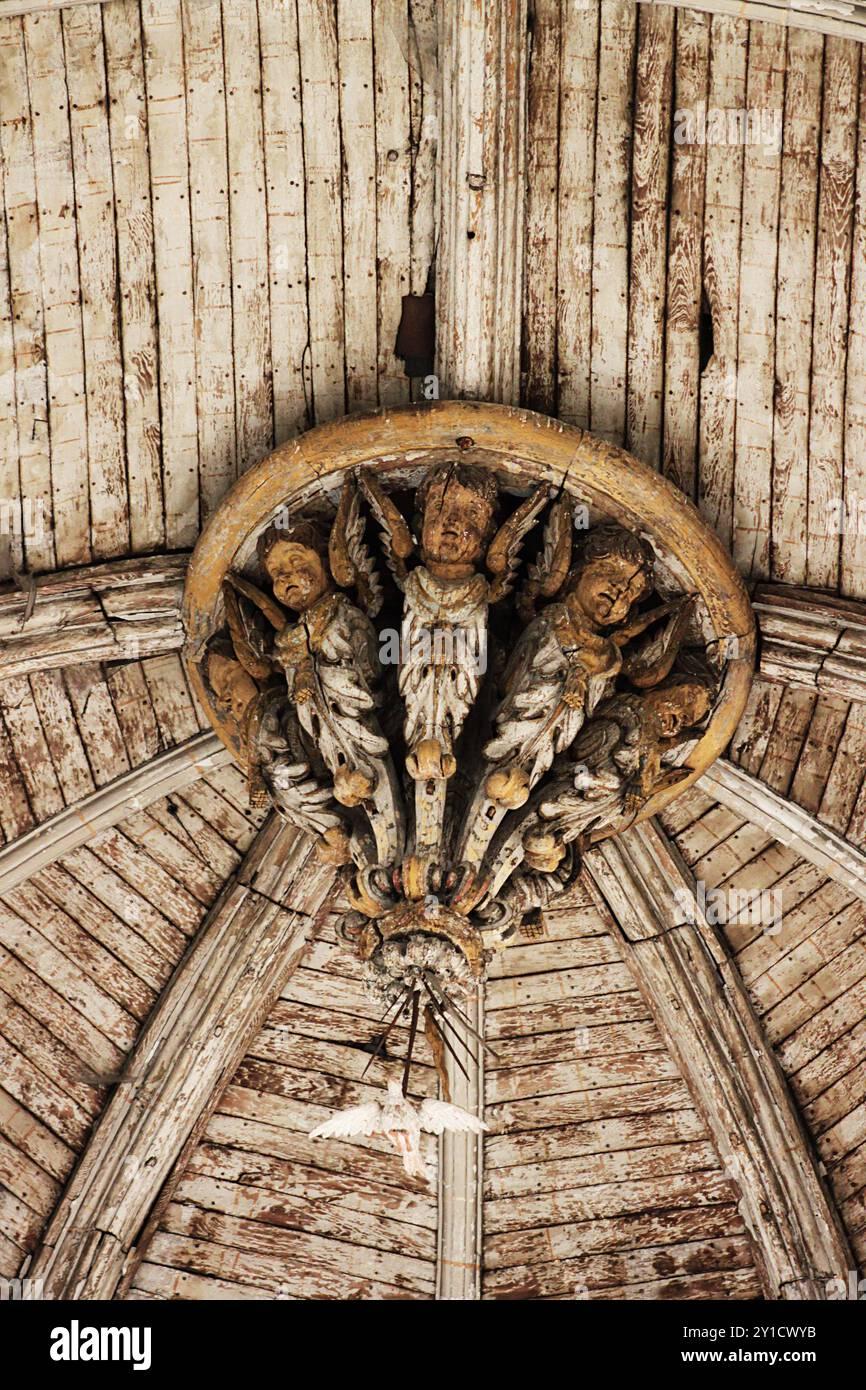
- Photograph the detailed stone sculptures and architectural elements around the church's entrance and side chapels
- Visit the small religious artifacts collection inside the church, showcasing local religious heritage from the Champagne region
- Attend weekend organ concerts that feature classical and regional musical compositions in the church's acoustically rich interior
Tickets and Entry
Entry to Eglise-Saint-Pantaleon is free for visitors. While no ticket is required, donations are welcome and support the church's preservation. Guided tours are available for a small fee of 5 euros per person, typically running twice daily at 11 AM and 3 PM. Group tours can be booked in advance through the local tourist office in Troyes.
Dress Code
As an active Catholic church, visitors are expected to dress respectfully. This means covering shoulders and knees. Avoid wearing shorts, tank tops, or revealing clothing. Quiet, modest attire is recommended out of respect for the religious space and ongoing worship activities.
History of Eglise-Saint-Pantaleon
- 12th Century: Original church construction begins in Romanesque architectural style
- 14th Century: Major Gothic architectural renovations transform the church's structure
- 16th Century: Remarkable stained glass windows installed, representing peak of regional artistic craftsmanship
- 1789: French Revolution impacts church operations and property
- 1905: French law of separation of churches and state affects church administration
- 1980s: Significant restoration work preserves medieval architectural elements
Cultural Significance
Eglise-Saint-Pantaleon represents more than a religious building-it's a symbol of Troyes' medieval heritage. The church embodies the architectural and spiritual history of the Champagne region, serving as a testament to local craftsmanship and religious traditions that have shaped the community for centuries.
Tips for Visitors
- Bring a camera, but avoid using flash inside the church
- Allocate about 1-2 hours for a comprehensive visit
- Best times to visit are weekday mornings for fewer crowds
- Wear comfortable walking shoes for exploring uneven medieval stone floors
- Check local event calendars for potential musical or cultural events at the church
- Nearby cafés offer perfect spots for post-visit refreshments
What are some interesting facts about Eglise-Saint-Pantaleon?
- The church is named after Saint Pantaleon, a Christian martyr from Nicomedia who was a physician to Roman Emperor Diocletian
- Several of its original 16th-century stained glass windows survived multiple wars and regional conflicts, making them rare historical artifacts
- Local legend suggests the church's stone was quarried from the same site where medieval stonemasons worked, creating a unique connection between the building and its original construction site