
Basilica of St. Urbain: A Medieval Gothic Treasure in Troyes
June 06, 2025

I spent about two hours exploring the Basilica of St. Urbain, mesmerized by the stunning 13th-century stained glass and the intricate Gothic architecture. The guided tour near the La Vierge au Raisin statue was particularly fascinating, offering deep insights into the church's rich history and Pope Urban IV's connection to Troyes.
Born from a pope's childhood neighborhood, the Basilica of St. Urbain is a Gothic masterpiece that took centuries to complete, with a construction story as dramatic as its soaring architecture. Uncover the hidden tales of resistance, artistry, and transformation that make this Troyes landmark more than just a church.
Need-to-Know Info Before Visiting Basilica of St. Urbain
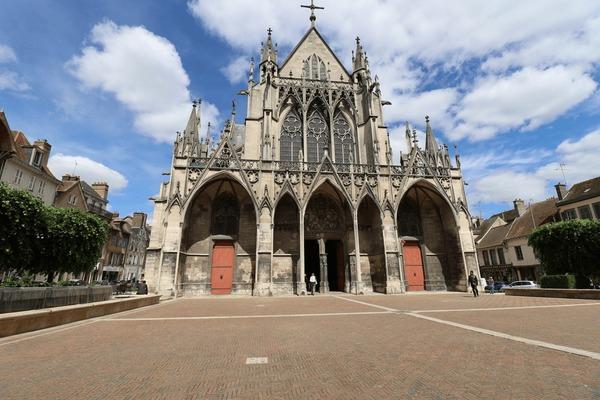
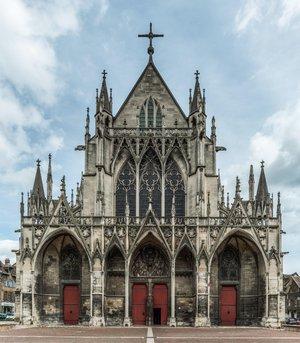

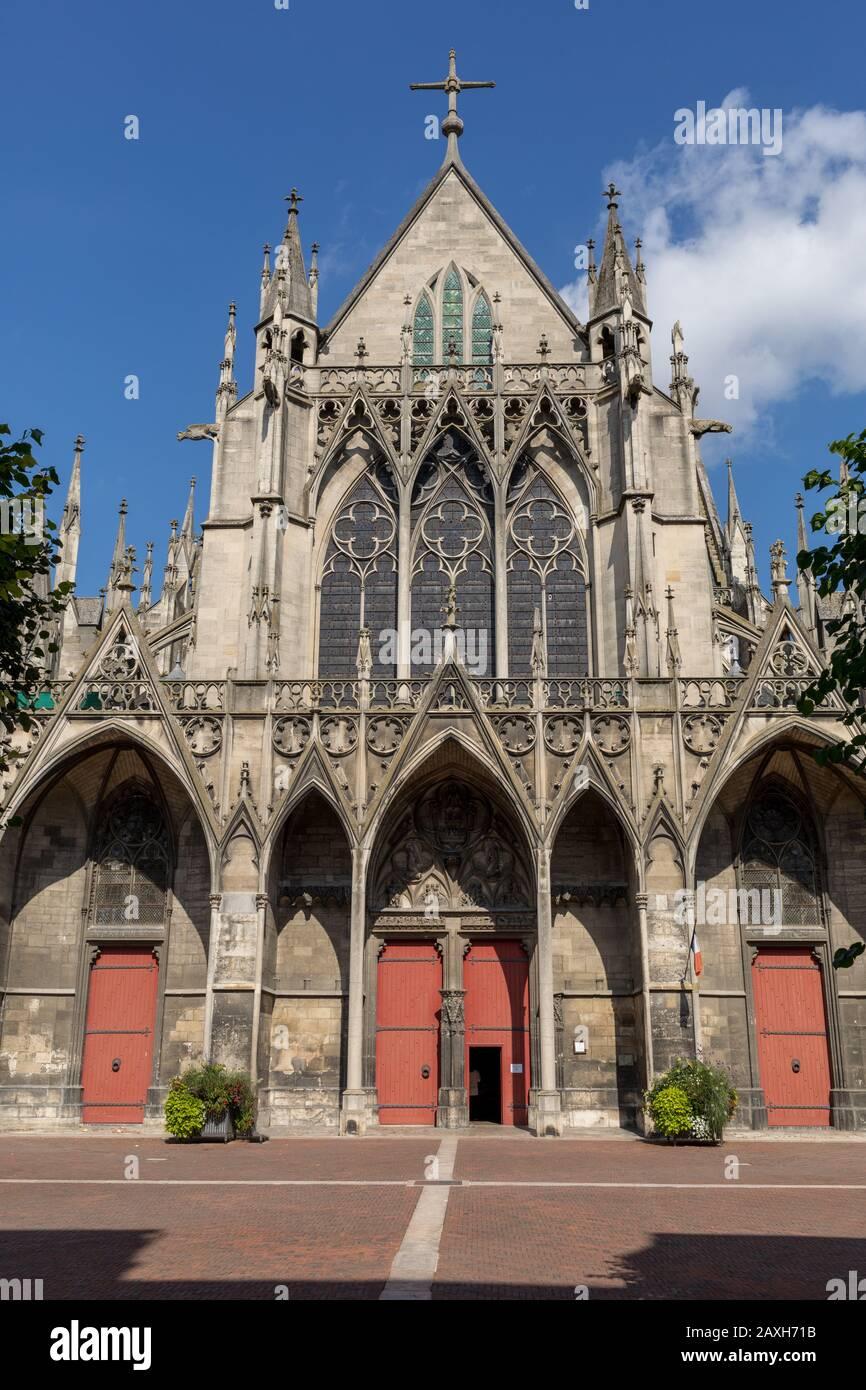
5+
images
Basilica of St. Urbain Address
Place Saint-Urbain, 10000 Troyes, France
Basilica of St. Urbain Opening Hours
- 🕒 Monday-Saturday: 9:00 AM - 6:00 PM
- 🕒 Sunday: 10:00 AM - 5:00 PM
- 🕒 Free entry, but donations recommended
How to get to Basilica of St. Urbain
- 🚗 By car: Parking available near city center
- 🚌 Public transport: Troyes urban bus routes 1 and 3
- 🚕 Rideshare: Uber and local taxi services available
What is Basilica of St. Urbain known for?
- Classic example of late 13th-century Gothic architecture designed by Pope Urban IV's hometown church
- Contains exceptional 13th-century stained glass windows
- Features 16th-century statuary from the Troyes school of sculpture
- UNESCO-recognized historical monument since 1840
- Home to La Vierge au Raisin, an early 15th-century stone sculpture of Mary and Christ
What is Basilica of St. Urbain in Troyes?
Tucked away in the heart of Troyes, the Basilica of St. Urbain stands as a testament to medieval French architecture and religious history. This massive Gothic church attracts history buffs, architecture enthusiasts, and cultural travelers from around the world. Built on the site of Pope Urban IV's childhood neighborhood, the basilica draws around 50,000 visitors annually who come to explore its remarkable 13th-century design. Photographers love capturing the intricate Gothic details, especially the stunning 13th-century stained glass windows that filter light through the massive stone structure. The basilica's west facade, completed in the late 19th century, showcases the architectural evolution of centuries, with detailed stone carvings and elaborate Gothic architectural elements that tell stories of medieval craftsmanship. Travelers typically spend 1-2 hours exploring the church, with special attention to the La Vierge au Raisin statue in the south transept chapel and the exceptional 16th-century statuary from the renowned Troyes school of sculpture. As a recognized historical monument since 1840, the Basilica of St. Urbain offers a deep dive into France's rich architectural and religious heritage.
Top things to do at Basilica of St. Urbain
- Explore the 13th-century stained glass windows, which showcase intricate medieval craftsmanship and biblical storytelling
- Visit the La Vierge au Raisin (Virgin with Grapes) statue in the south transept chapel, a rare early-15th-century stone sculpture of Mary and Christ
- Admire the 16th-century statuary from the Troyes school of sculpture, highlighting local artistic heritage
- Study the architectural details of the west facade, completed in the late 19th century, to understand the building's historical construction phases
- Take a free guided tour to learn about Pope Urban IV's connection to the basilica and its historical significance
- Photography enthusiasts can capture the Gothic architectural elements and light filtering through the historic stained glass
History of Basilica of St. Urbain
- 1262: Pope Urban IV, born in Troyes, establishes the church on the site of his father's former shoemaker shop
- 13th Century: Major construction begins, with resistance from nearby nuns causing significant construction challenges
- 13th Century: Original stained glass windows are created, representing early Gothic artistic techniques
- 16th Century: Addition of statuary from the renowned Troyes school of sculpture
- Late 19th Century: Vaulted roof construction begins
- Early 20th Century: West facade finally completed
- 1840: Officially listed as a monument historique by French Ministry of Culture
Cultural Significance
The Basilica of St. Urbain represents more than a religious structure - it's a symbol of Troyes' medieval heritage and architectural innovation. As the birthplace church of Pope Urban IV, it holds deep local pride and connects the city's community to its historical roots. The basilica demonstrates the remarkable Gothic architectural style that defined 13th-century French ecclesiastical design, serving as a living museum of medieval craftsmanship and religious art.
Tips for Visitors
- Allocate at least 1-2 hours for a comprehensive visit
- Bring a camera to capture the intricate stained glass and architectural details
- Wear comfortable walking shoes for exploring the church interior
- Consider joining a guided tour for deeper historical context
- Check local event calendars for potential special exhibitions or concerts
- Respect the religious nature of the site - maintain quiet and dress modestly
What are some interesting facts about Basilica of St. Urbain?
- Local legends say the basilica's construction was sabotaged by nuns from a nearby abbey who actively disrupted the building process
- The basilica took nearly 700 years to fully complete, with the west facade and vaulted roof only finished in the late 19th and early 20th centuries
- Pope Urban IV's childhood home was a humble shoemaker's shop, which stood on the exact site where this grand basilica now stands - a remarkable transformation from working-class origins to a monumental religious landmark